 Block
Block
Otto holds your apps until you've meditated.
Pick the apps that pull you in and the hours to hold them. When you open one, Otto asks for five minutes first. Once you've meditated, they open again.
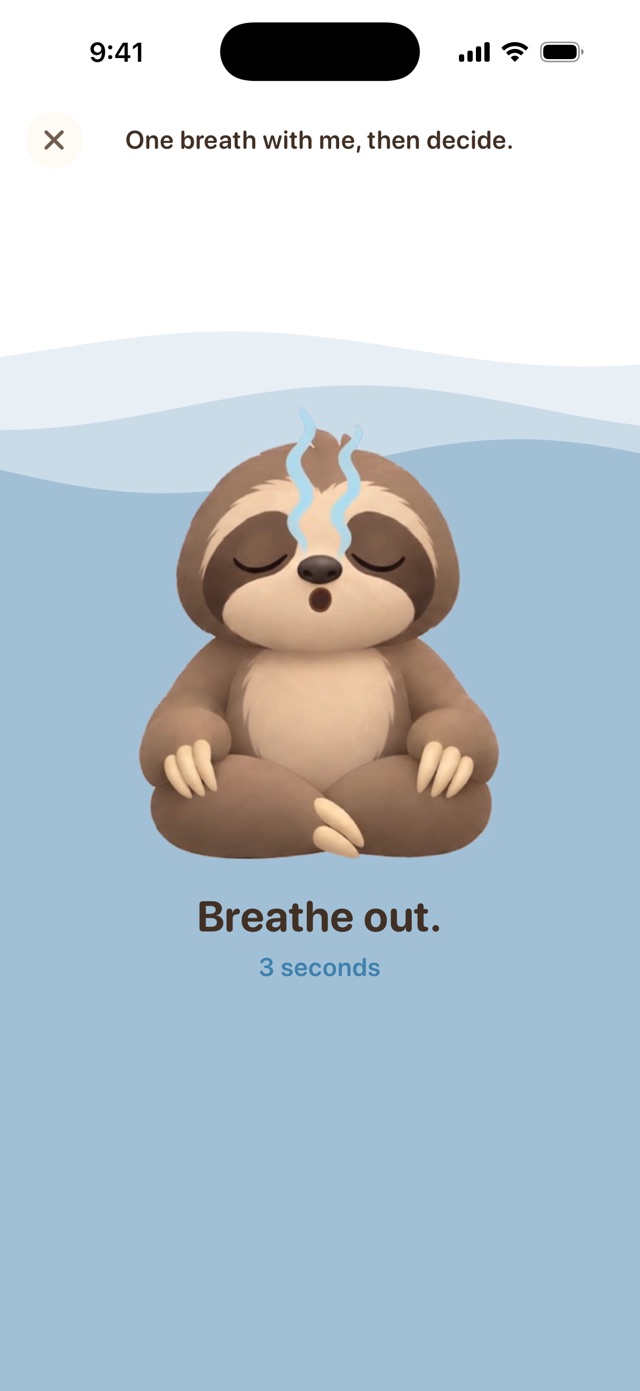
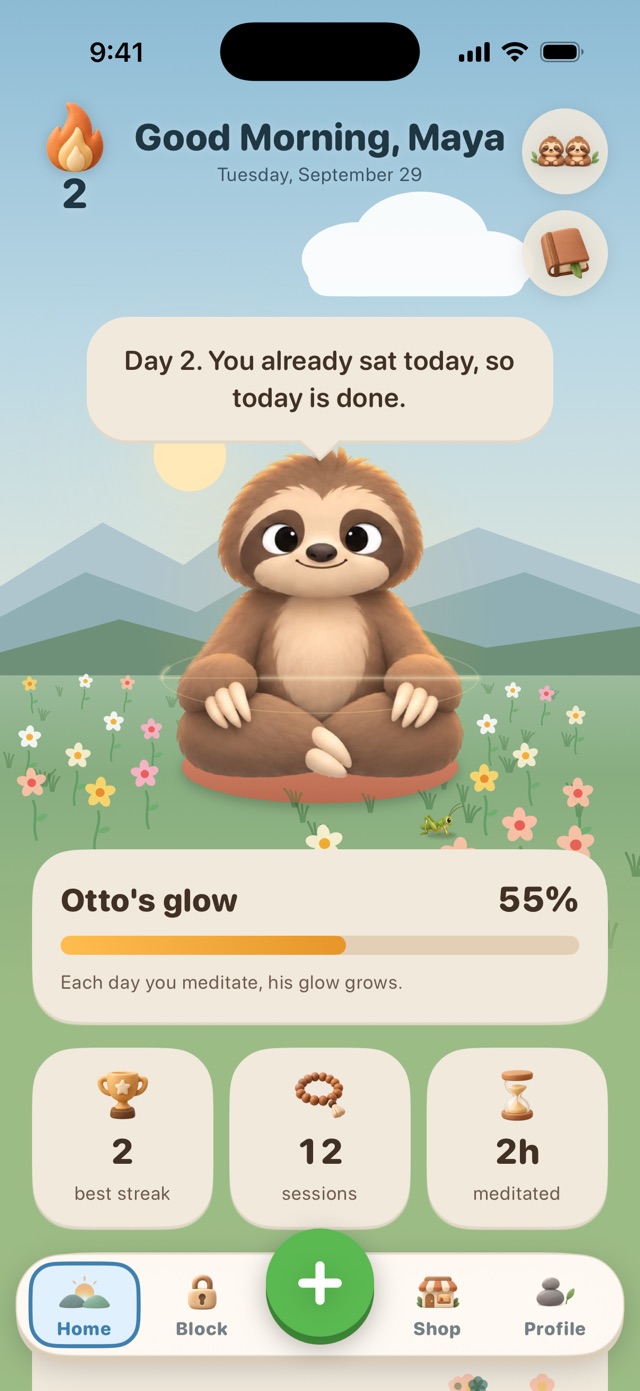
Otto holds the apps that pull you in until you've meditated, and glows brighter every day you do.

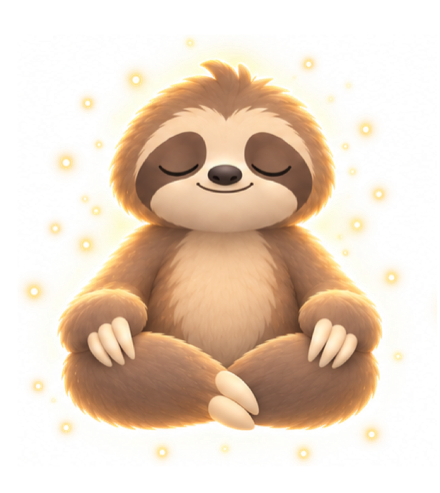

Everyone knows meditation works. The hard part is doing it again tomorrow.
So 808 is built around tomorrow. You pick the apps you open without thinking, and Otto keeps them closed until you've meditated. Each day you do, he gets a little brighter.
The most powerful tool you have is your mind. It shapes your reality. Taking care of your body is mainstream. Taking care of your mind is not. The way you take care of your mind is through meditation. So we built 808 to make meditation measurable, habitual, and universal.
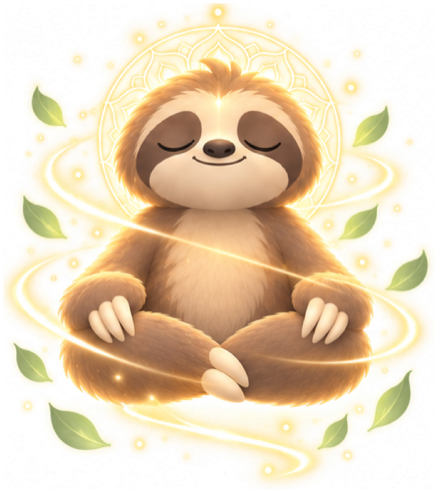
Miss a few days and he starts to fade. Drag the bar to see how he changes.





Each part of 808 is there to help you meditate again tomorrow.
Block
Pick the apps that pull you in and the hours to hold them. When you open one, Otto asks for five minutes first. Once you've meditated, they open again.
 Otto's glow
Each day you meditate, he gets a little brighter. Skip a few days and he starts to droop.
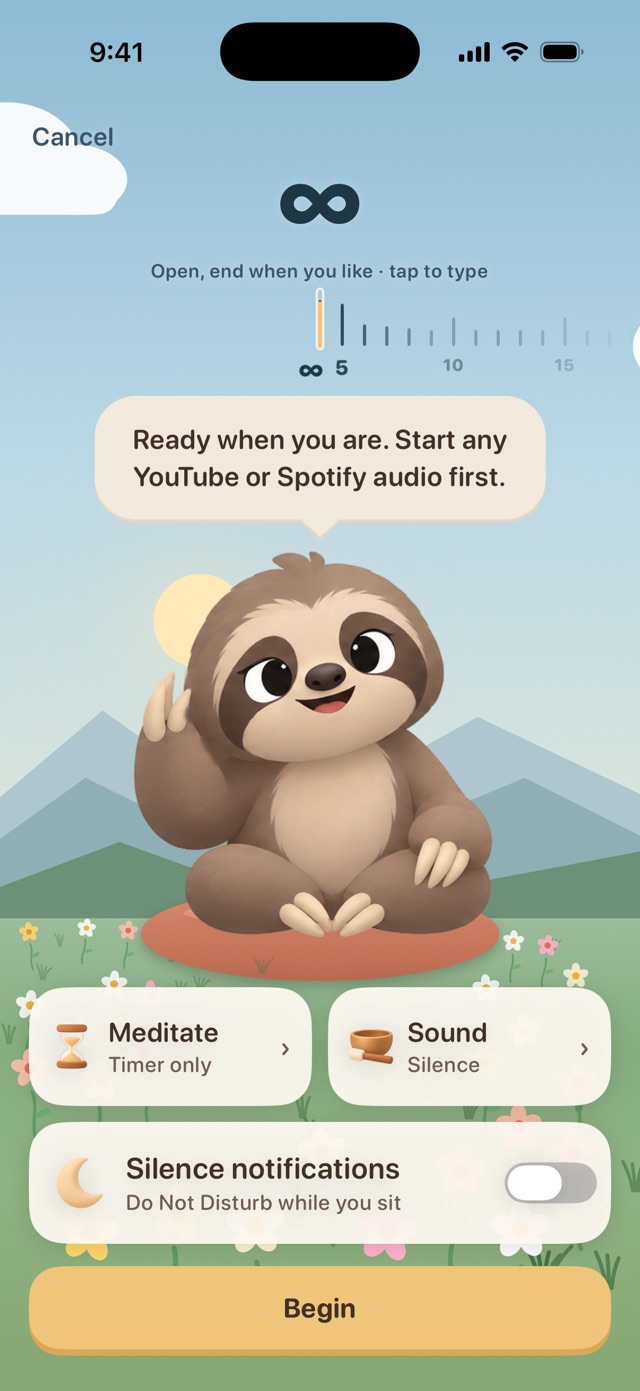
 Meditate your way
Set a timer or keep it open. Play rain, a campfire, a tone, or our 25-minute guided journey. If you already have a meditation you like on YouTube or Spotify, start it and begin a session.
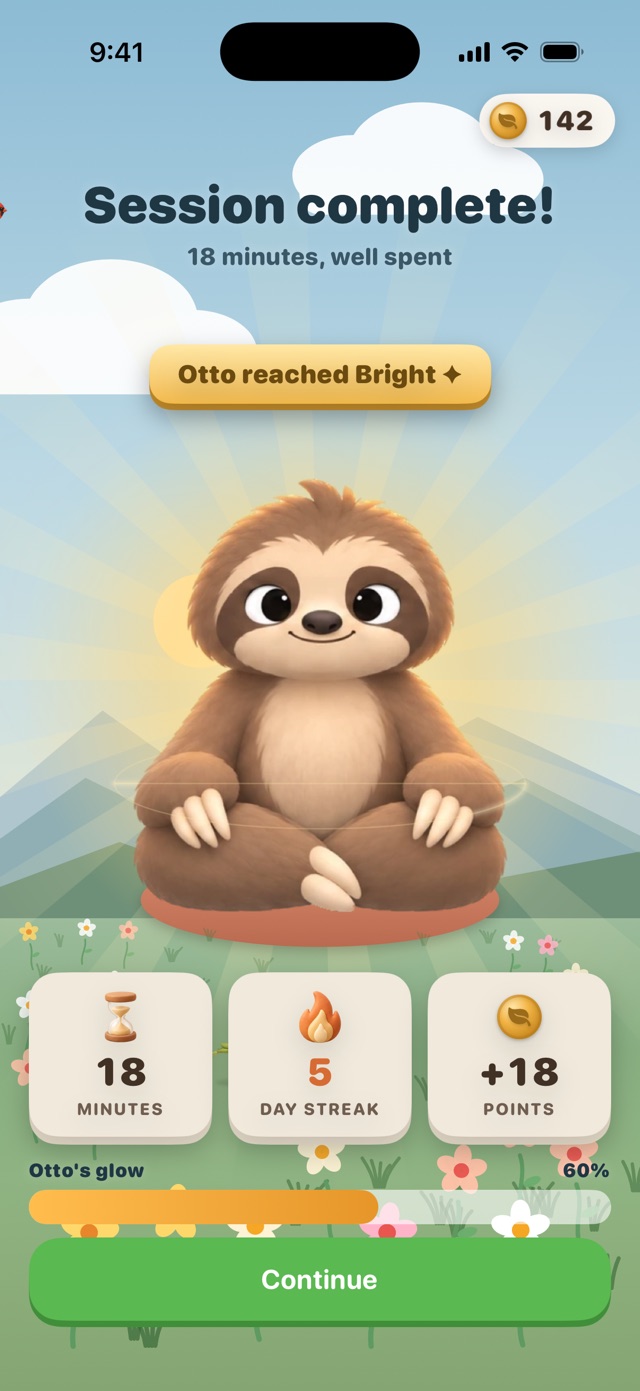
 Rewards
When a session ends you see your minutes, your streak and the points you earned. Points buy hats for Otto.
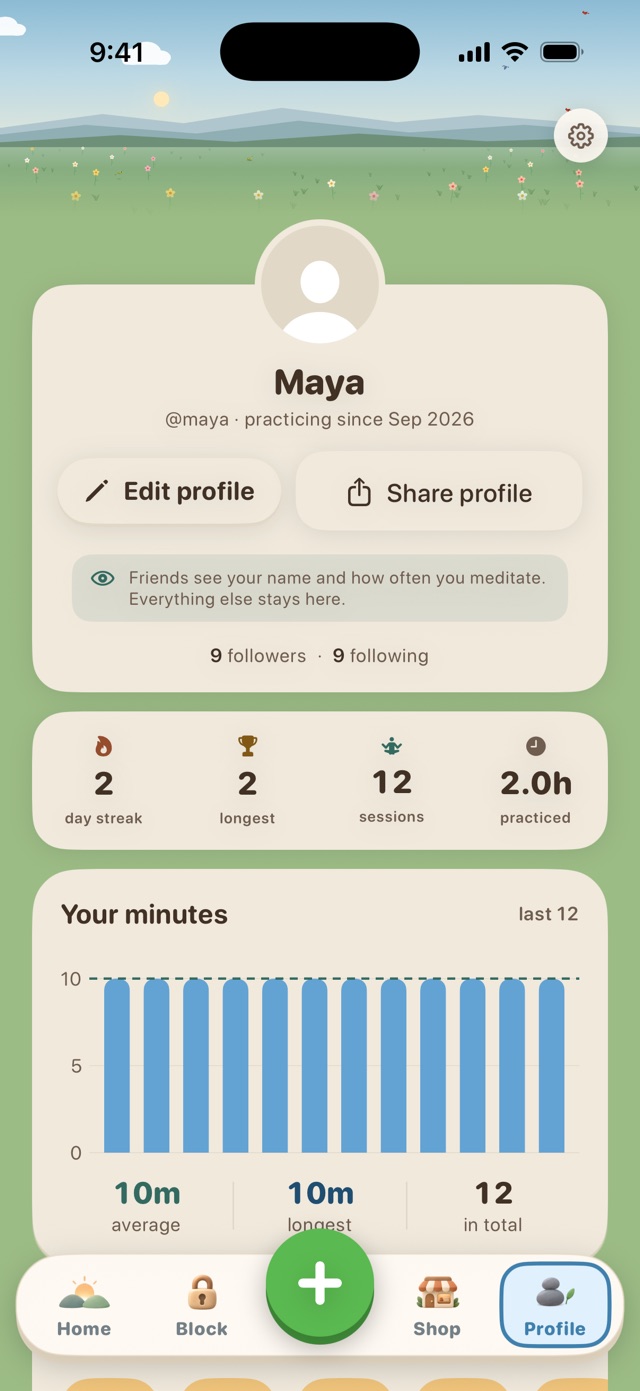
 Progress
Your streak, every session you've done and the awards you've earned. One rest day a week won't break a streak.
 Apple Watch
808 draws your heart rate, how still you were and your breathing, and gives the session a score out of 100. Without a Watch, everything else works the same.
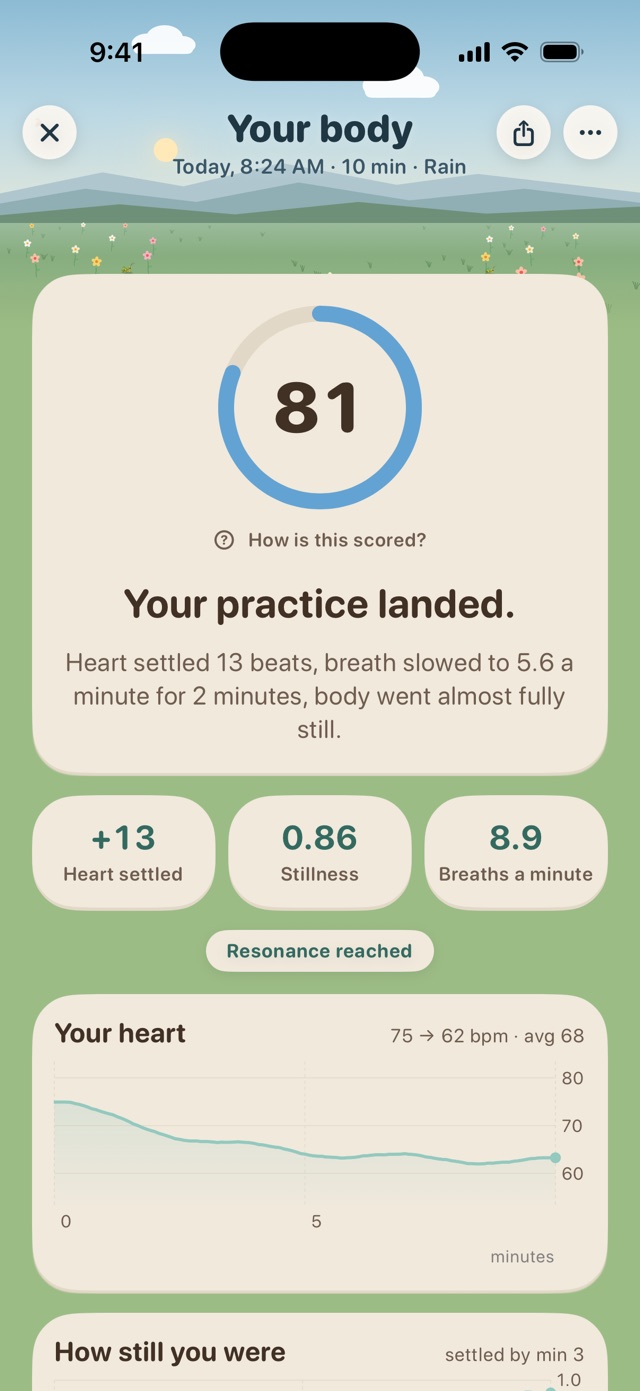
808 is a wellness tool, not a medical device. It doesn't diagnose or treat anything, and your measurements never leave your own devices.
Athletes, investors and entertainers who have talked about it publicly.
“It's like having an anchor. If I don't do it, it feels like I'm constantly chasing the day.”
Kobe Bryant“Transcendental Meditation has probably been the single most important reason for whatever success I've had.”
Ray Dalio“Meditation reorders the natural flow of life… Decisions come easily, things fall into place, and there's no conflict.”
Oprah Winfrey“It helps slow things down so that I can act calmly, even in the face of chaos, like a ninja in a street fight.”
Ray DalioRan mindfulness training through Michael Jordan's and Kobe Bryant's championship years.
Phil Jackson's Bulls and LakersHave practiced mindfulness as a team since 2011.
The Seattle SeahawksAll credit a meditation practice.
LeBron James, Novak Djokovic, Derek JeterHas practiced Transcendental Meditation for roughly forty years.
Jerry SeinfeldQuoted lines are verbatim and on the record. None of these people endorse 808.
These are other researchers' studies, not ours. Here is what regular meditation has been shown to do.
Two weeks of meditation training moved students 16 percentile points on GRE reading comprehension, in a randomized trial.2
Across 47 randomized trials, meditation produced real reductions in anxiety and depression.3
Meditation sessions analyzed. People who meditated regularly improved more, and the length of each session didn't predict it.4
The research above shows that meditation practice helps. It does not show that 808 specifically will do any of this for you, and nothing here is medical advice. No one has studied 808 itself yet.